Plan Your Personal
#1 Camino Organiser since 2006


Our Top Camino Routes




Thousands have chosen Follow the Camino to plan their dream adventures. With consistent 5-star ratings, we’re not just booking your holiday – we’re planning, customising, and listening to your every need to bring you the adventure of a lifetime. Our Camino experts have a wealth of experience and have been planning walking and cycling holidays on the Way for our loyal customers for more than 15 years.

In 2006 our founder, Umberto di Venosa, fell in love with the Camino de Santiago. Shortly after, he set up Follow the Camino as the first-ever Camino tour operator. We remain a leader in the space nearly 20 years later, with the same high-quality accommodation and transport suppliers after decades and a team that knows every detail of the primary Camino routes.
At Follow The Camino, our experts will plan your dream customised Camino de Santiago tour from start to finish, so all you have to do is set out on your own adventure.
Flexible Payment
Lock in your trip with a deposit and pay the rest later, with no interest or fees. Just ensure you have paid in full 30 days before your trip is scheduled to start.
Flexible Cancellation
* More than 60 days before the starting date of the holiday: we hold the deposit.
* 15 days or more before the starting date of the holiday: we hold 50% of the holiday cost.
* 14 days or less before the starting date of the holiday: we hold 100% of holiday cost.
Each trip along of the Camino de Santiago routes starts with a dedicated planning phase, led by our expert agents, to deliver our customers the best personal experience. Pilgrims walk, cycle and even ride horses along the many Camino routes through Spain, France, and Portugal—by themselves, with friends and family, or in guided group tours—at a pace that suits them.
Follow the Camino is available to help with any changes to the itinerary each step of the Way.
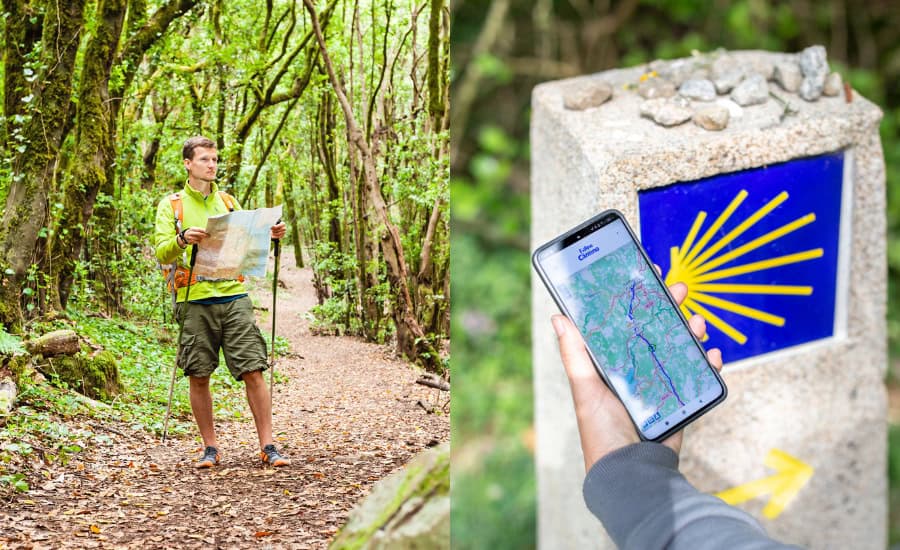
Our team combines personal expertise in travelling along the Camino with GPX data-driven route planning during the trip, alongside 24/7 emergency accommodation and transportation support. We understand that things can go wrong and plans can change on even the most well-planned trip.
With this level of support from Follow the Camino before and during your trip, we ensure we have your back at all times and can enjoy the experience without worry!
Follow the Camino is a B-Corp certified organisation that you can trust as one of the most sustainable in the travel industry. Our suppliers and partners are selected to maintain a focus on supporting local communities and eco-friendly travel practices.
We also offset the carbon cost of the hotels, meals and luggage transport used during your journey, using only certified carbon offset projects validated by the United Nations, without you needing to worry about it.













Latest blog
Get pumped up